Optimal Timing for Snow Disposal
Timing is crucial for effective snow disposals. The optimal period depends on weather patterns, snow accumulation rates, and regional climate conditions. Typically, snow disposal is most efficient during periods of consistent snowfall and before snow begins to melt or refreeze, which can complicate removal efforts.
Disposing of snow early in the season helps prevent accumulation and reduces the risk of snow piling up during peak snowfall periods.
Regular disposal during mid-season ensures safe access and minimizes disruption to daily activities and transportation.
After heavy snowfalls, timely disposal prevents ice formation and facilitates safe movement around properties.
Removing snow before temperatures rise helps avoid refreezing and ice buildup, making disposal more manageable.

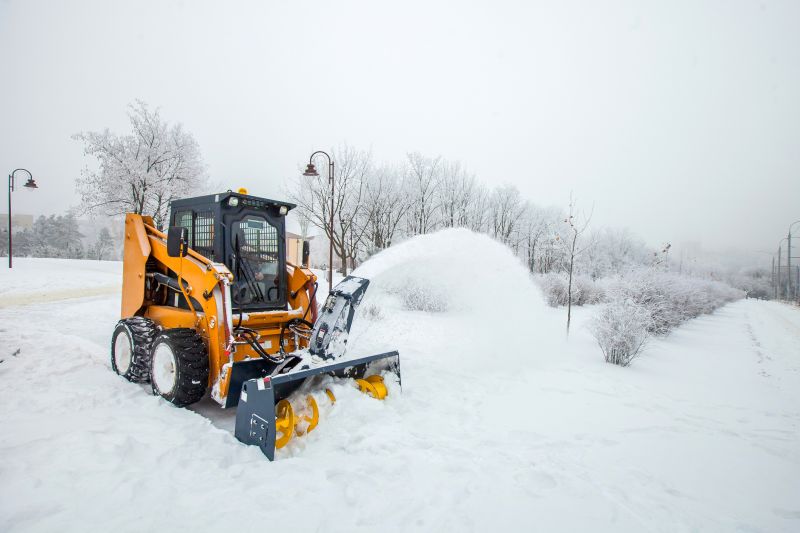
Various machinery used for efficient snow removal and disposal.
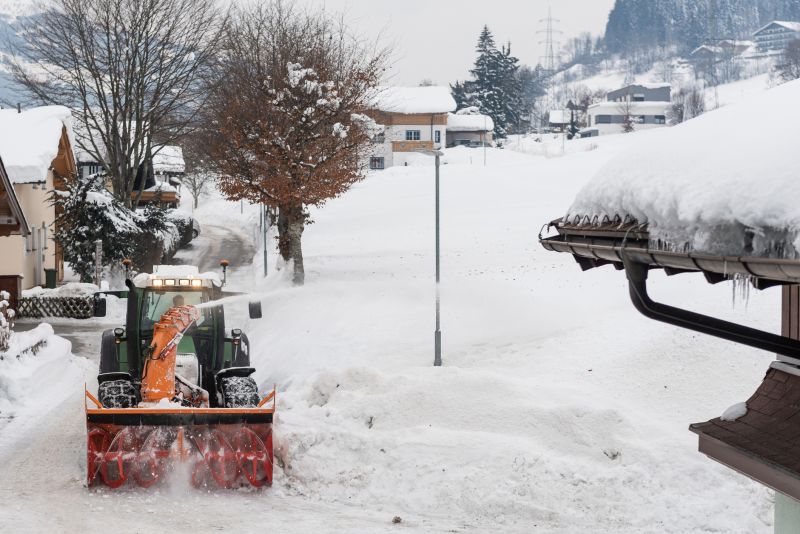
Designated areas for snow storage and disposal processes.

Workers managing snow removal in different environments.
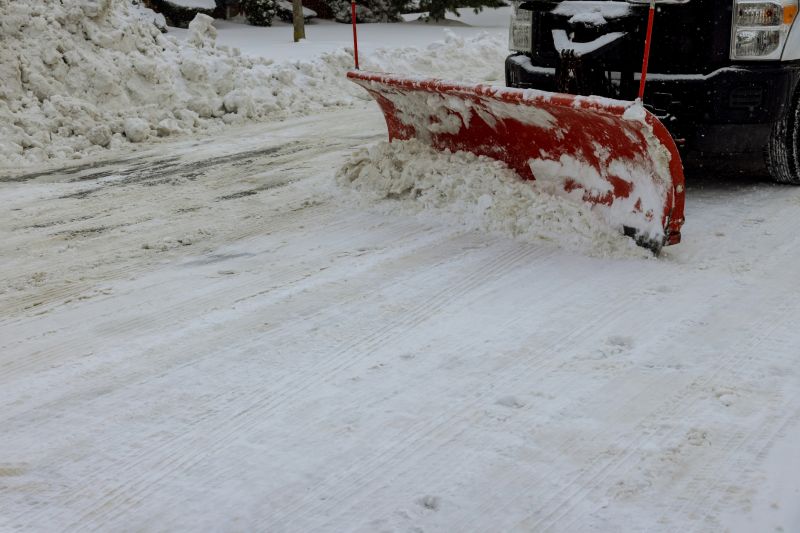
Ways to make Snow Disposals work in tight or awkward layouts.

Popular materials for Snow Disposals and why they hold up over time.
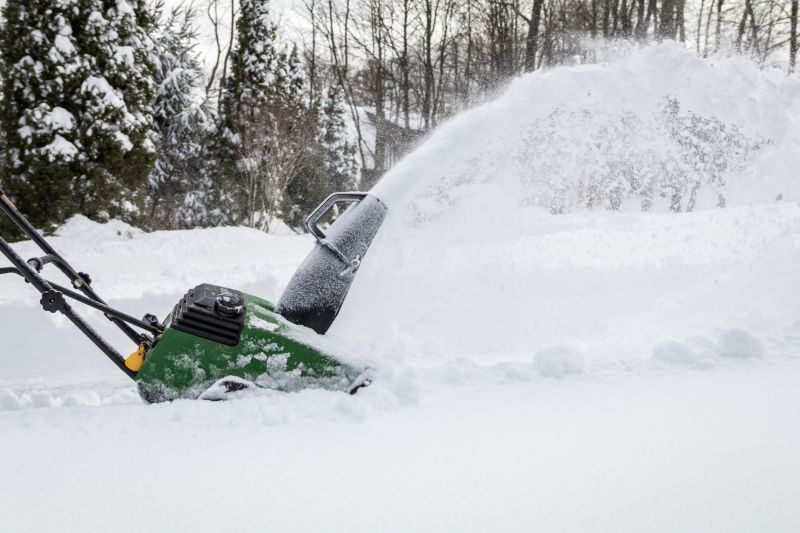
Simple add-ons that improve Snow Disposals without blowing the budget.
Snow disposals involve strategic removal and management of accumulated snow to ensure safety and accessibility. Proper timing minimizes operational challenges and reduces the risk of property damage or accidents caused by ice buildup. Snow disposal methods vary based on the volume of snow, available space, and local regulations.

Heavy machinery clearing snow from parking lots.
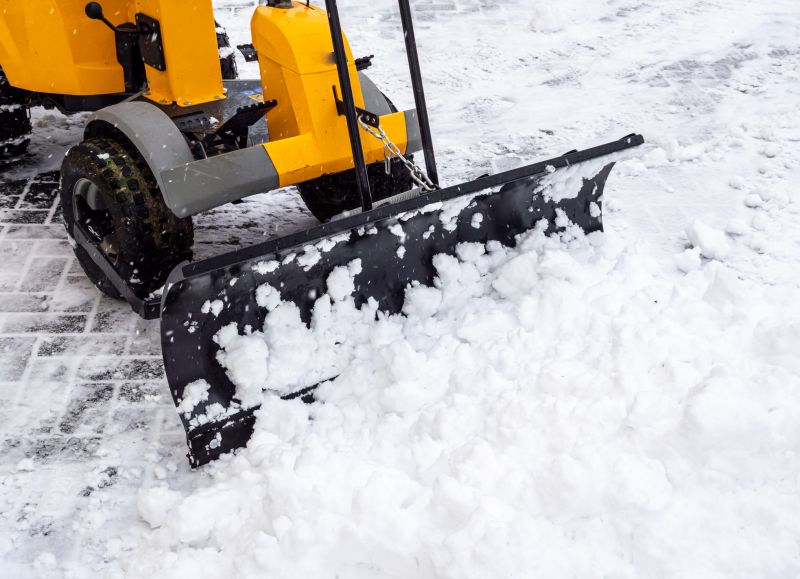
Designated zones for snow accumulation during disposal.

Operators managing snow removal equipment.
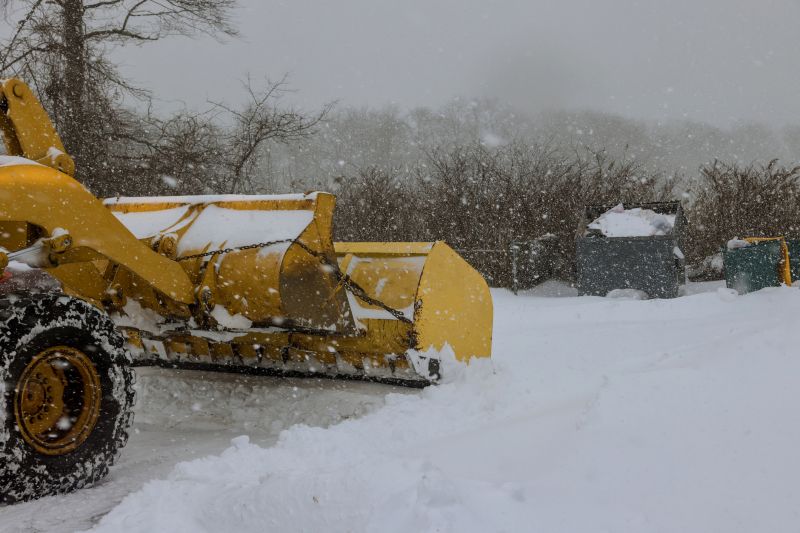
Strategic planning for efficient snow removal operations.
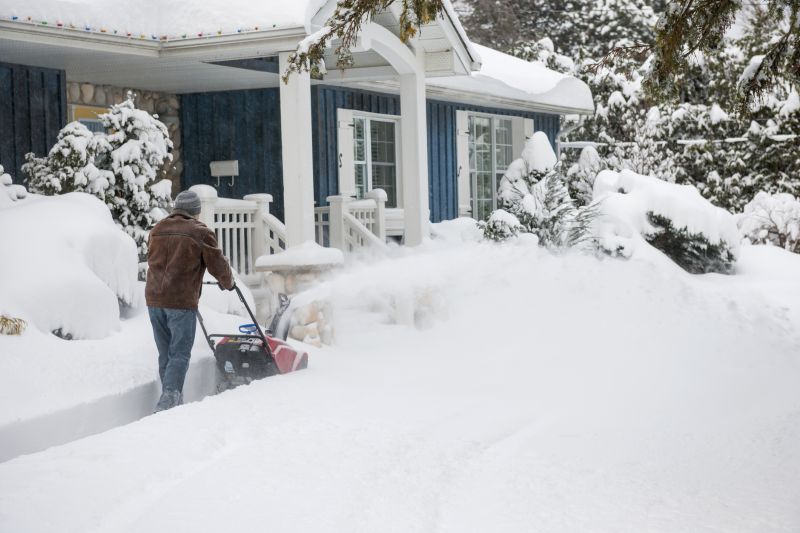
High-end options that actually feel worth it for Snow Disposals.
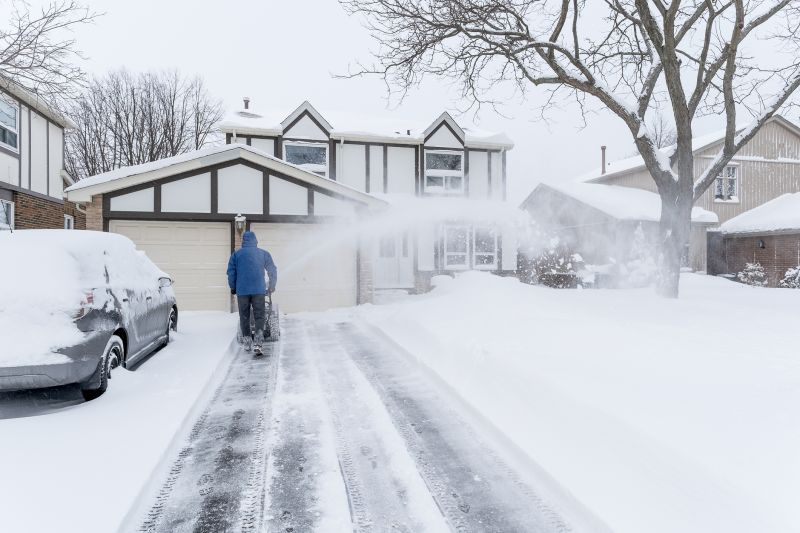
Finishes and colors that play nicely with Snow Disposals.
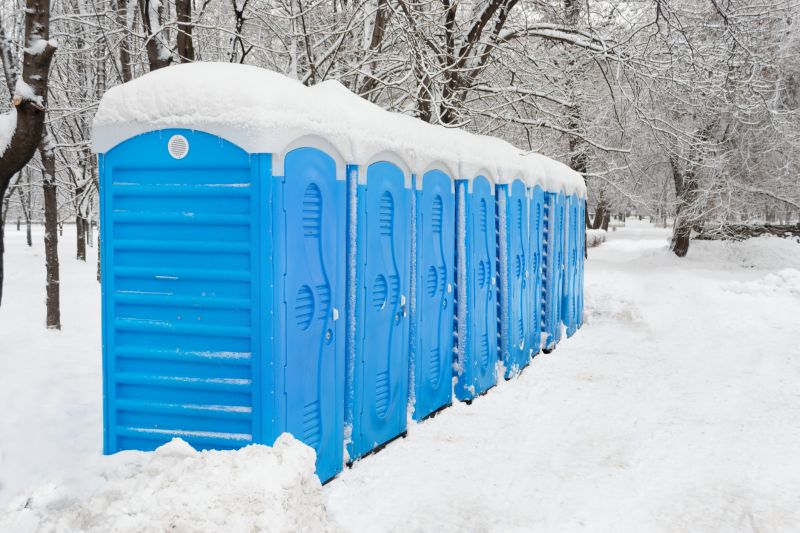
Little measurements that prevent headaches on Snow Disposals day.
A 60-second routine that keeps Snow Disposals looking new.
| Timing Considerations | Key Points |
|---|---|
| Early Winter | Prevents accumulation and reduces removal effort. |
| Mid-Season | Maintains safety and access during ongoing snowfall. |
| Post-Storm | Prevents ice formation and facilitates safe movement. |
| Before Melting | Minimizes refreezing and ice hazards. |
| Weather Monitoring | Allows for proactive disposal planning. |
Effective snow disposal requires careful planning and timing to optimize safety, efficiency, and cost-effectiveness. Monitoring weather conditions and understanding regional snowfall patterns are essential for scheduling operations. Proper disposal methods help prevent property damage and ensure safe conditions during winter months.